

Why Does Your Business Need Energy-Efficient Solutions?
Modern energy-efficient technologies are an essential part of the business sector. Lower energy costs, reduced CO₂ emissions, and increased competitiveness through energy-saving technologies can be decisive factors for any company.
These technologies encompass a wide range of solutions designed to minimize energy use during production, transmission, and consumption. They rely on innovative resource management approaches and the integration of cutting-edge technical solutions across various industries.
Key Types of Energy-Efficient Technologies:
- Automated energy management systems
- Modern thermal insulation materials
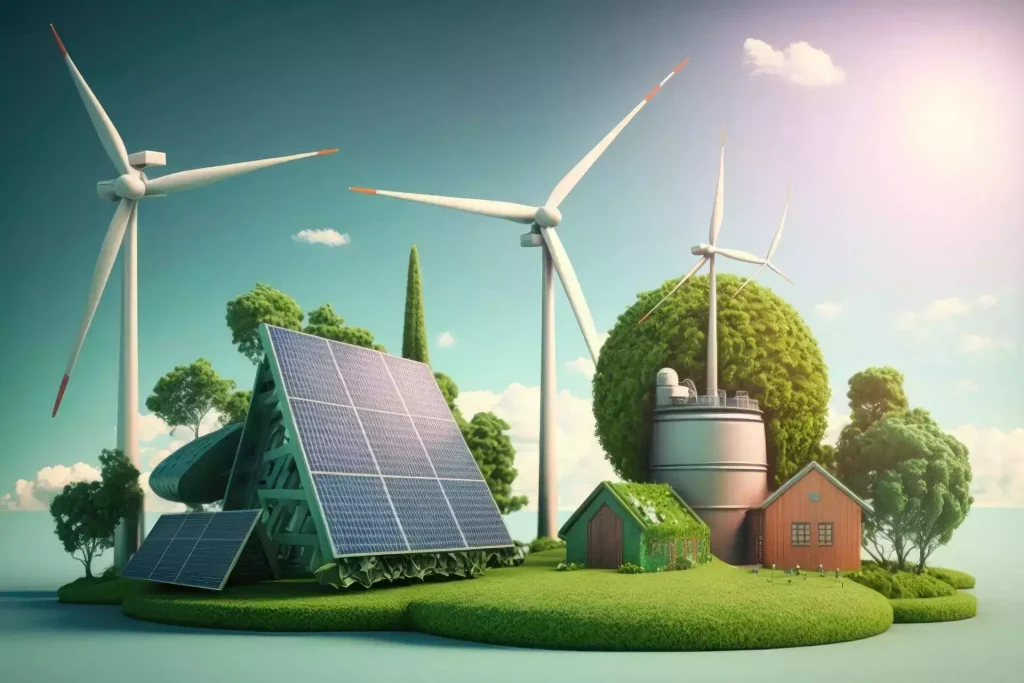
- Renewable energy sources
- Smart lighting systems
- Optimized heating and cooling systems
How Do Energy-Efficient Technologies Reduce Costs?
Energy-efficient technologies can drastically reduce business expenses by optimizing energy use and minimizing waste. Here’s how:
1. Reduced Energy Consumption
Modern energy-saving systems—such as automated lighting controls, motion sensors, smart thermostats, and advanced insulation—ensure energy is only used when needed, cutting down on lighting, heating, and cooling costs.
2. Optimized Heating and Cooling Systems
Efficient HVAC systems help maintain comfortable indoor temperatures with minimal energy use. Technologies like heat pumps, condensing boilers, and heat recovery systems can cut heating and cooling expenses by 20–50%.
3. Energy-Saving in Manufacturing
Automating production and using high-efficiency equipment, such as IE3 or IE4 motors and LED lighting, significantly reduces electricity usage. These upgrades can reduce energy consumption by 30–40% compared to traditional systems.
4. Switching to Renewable Energy
Solar panels, wind turbines, and biogas systems can partially or fully meet a business’s energy needs, reducing dependency on traditional energy sources.
5. Reducing Energy Loss
Building insulation, upgraded power distribution systems, and energy-efficient transformers and batteries help cut energy losses and improve efficiency.
6. Smart Energy Management
Modern monitoring systems identify and eliminate inefficiencies. With IoT solutions, businesses can analyze and adjust energy use in real time.
These methods not only reduce energy costs but also increase competitiveness, lower CO₂ emissions, and align with sustainability standards.
Main Cost Reduction Mechanisms:
- LED lighting (uses 5–10 times less energy than incandescent bulbs)
- Heating system optimization (heat pumps can reduce heating costs by up to 50%)
- Use of renewables (solar panels decrease reliance on traditional electricity providers)
How to Choose Energy-Efficient Technologies for Your Business?
When selecting energy-efficient solutions, consider these key factors:
- Energy consumption analysis – assess current electricity, heating, and resource use.
- Choosing optimal technologies – compare options based on efficiency, cost, and payback period.
- Integrating automation systems – modern tech enables energy use monitoring and equipment control.
Renewable Energy Sources
Solar and wind power are becoming more popular among Ukrainian businesses. With declining equipment costs and state support programs, investing in renewables is increasingly profitable.
Why It’s Important to Implement Energy-Efficient Technologies
A modern approach to energy management helps not only save money but also reduce environmental impact. Implementing such solutions supports sustainable development and enhances quality of life.
- Reduces electricity and resource costs
- Increases efficiency through automation
- Renewable energy investments are both cost-effective and eco-friendly
- Optimal solutions require energy analysis and tech integration
Energy-Efficient Technologies in Logistics
Logistics is one of the most energy-intensive sectors, involving transportation, storage, packaging, and freight management. Introducing energy-efficient technologies can significantly cut fuel and electricity costs, streamline operations, and reduce environmental impact.
1. Transport Optimization
Modern transport management technologies reduce fuel costs and CO₂ emissions.
Technologies & Solutions:
- GPS and telematics systems – route planning that avoids traffic and unnecessary mileage
- Route optimization algorithms – minimize empty runs and improve logistics chains
- Aerodynamic truck modifications – reduce air resistance and fuel consumption
- Electric trucks – lower emissions and fuel expenses
2. Warehouse and Logistics Center Efficiency
Warehouses consume large amounts of energy. Energy-saving solutions can greatly reduce operational costs.
Technologies & Solutions:
- LED lighting with motion sensors – saves 50–80% energy
- Automated climate control systems – efficient heating and cooling
- Solar panels – meet part or all energy demands
- Smart energy management systems – real-time energy monitoring and control
3. Switching to Electric and Hydrogen Transport
Replacing diesel and petrol vehicles with electric or hydrogen-powered ones drastically cuts fuel costs and emissions.
Electric Vehicle Benefits:
- Lower electricity costs compared to fuel
- Fewer moving parts reduce maintenance expenses
- Can be charged using renewable energy
Hydrogen Vehicle Benefits:
- Long range (up to 600–800 km)
- Fast refueling (5–10 minutes)
- Environmentally friendly – only emission is water
4. Using “Green” Packaging
Traditional packaging consumes many resources and increases transport costs due to its weight and volume. Alternatives reduce costs and environmental impact.
Technologies & Solutions:
- Packaging volume optimization – saves space in transport and warehousese
- Lightweight, durable materials (bioplastics, cardboard, recycled materials)
- Reusable packaging systems – lower waste and new material costs.