

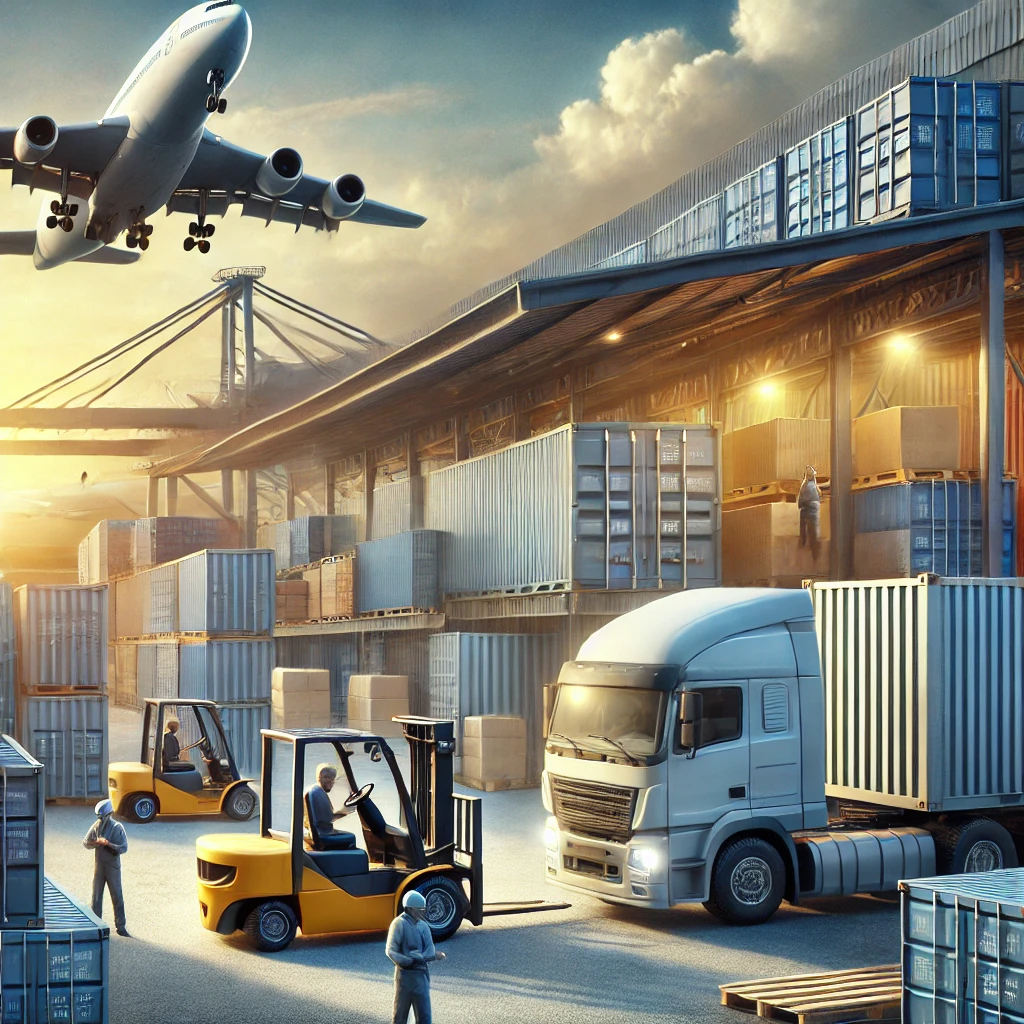
What is Multimodal Transportation?
Multimodal transportation is a method of cargo transport that involves the use of two or more modes of transport within a single logistics route. A key feature is that a single operator assumes responsibility for the entire logistics operation based on a multimodal transport contract.
This helps avoid coordination difficulties between different carriers and significantly simplifies the cargo delivery process.
How Does Multimodal Transportation Differ from Intermodal Transportation?
Many people confuse multimodal and intermodal transportation. The main difference lies in the responsibility for the transport process:
- Multimodal transportation – carried out under a single contract, meaning the multimodal transport operator is responsible for the entire logistics chain.
- Intermodal transportation – involves separate contracts for each mode of transport, with responsibility distributed among multiple carriers.
Key Advantages of Multimodal Transportation
- Optimization of logistics processes
By utilizing different transport modes, cargo can be delivered faster, as each stage of the route is selected based on the best transportation conditions. - Reduction of transportation costs
The combination of road, rail, sea, and air transport helps minimize transportation costs by selecting the most optimal route. - Minimization of risks and losses
Thanks to a single transport document and the responsibility of the multimodal transport operator, the risk of cargo loss or damage is significantly reduced.
What Types of Transport Are Used in Multimodal Transportation?
The main types of transport combined in multimodal transportation include:
- Road transport – a flexible option for short and medium distances.
- Rail transport – efficient for transporting large shipments.
- Maritime transport – essential for international multimodal cargo transportation.
- Air transport – ideal for urgent cargo deliveries.
How Is International Multimodal Transportation Organized?
The organization of international multimodal transportation consists of several key stages:
- Selection of a multimodal transport operator.
- Development of an optimal route.
- Agreement on transportation terms with the client.
- Preparation of necessary documentation (bill of lading, multimodal transport contract, etc.).
- Monitoring the delivery process and customs clearance.
The Role of Multimodal Transport Operators
Multimodal transport operators play a key role in the entire process, as they:
- Coordinate interactions between carriers.
- Manage loading, transshipment, and storage of goods.
- Take full responsibility for delivering the cargo to the recipient.
What Documents Are Required for Multimodal Transportation?
The main documents used in multimodal transportation include:
- Multimodal transport contract
- Bill of lading
- Cargo documents (invoices, certificates, etc.)
- Cargo insurance
The Future of Multimodal Transportation
Considering global trends, the development of multimodal transportation will only intensify. The use of green technologies, logistics automation, and the expansion of temporary storage warehouses will make this transportation method even more efficient.