

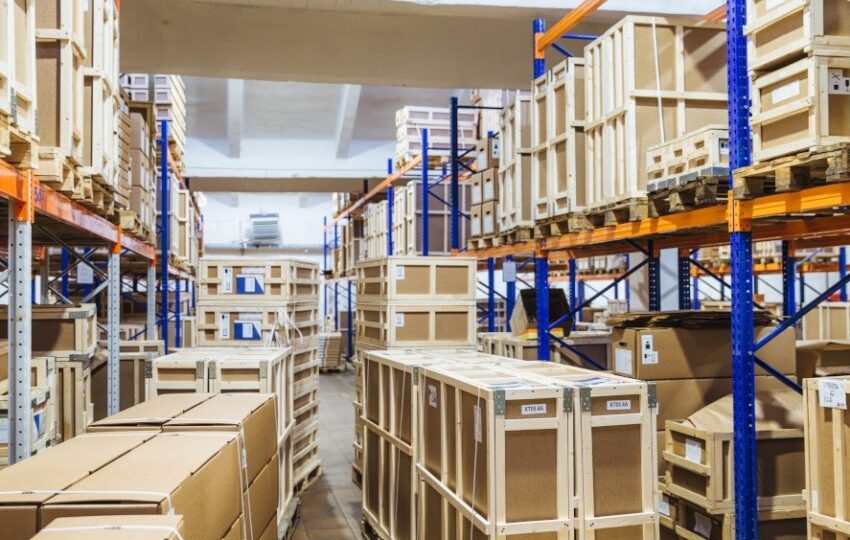
What Is Pallet Shipping and Why Is It So Popular?
Pallet shipping is a delivery method where cargo is placed on pallets (or skids), making loading, transportation, and unloading easier. This approach saves transport time, reduces the risk of product damage, and improves warehouse storage efficiency.
For businesses, it’s the best solution for shipping large quantities of goods, as pallets allow for compact and secure transport. This is especially relevant for consolidated shipments where different batches of goods are combined into one delivery.
Types of Pallets and How to Choose the Right One
Pallets can be wooden, plastic, or metal. The most common are Euro pallets (EUR/EPAL) measuring 1200×800 mm. American pallets (1200×1000 mm) and custom-sized pallets are also used depending on cargo type.
To properly prepare cargo, consider:
- Weight of the cargo (wooden pallets can handle up to 1500 kg)
- Type of goods (plastic pallets are preferred for food products)
- Package dimensions – cargo must not overhang the edges of the pallet
Important: The pallet must be clean, dry, and undamaged, especially for international shipping.
How to Prepare Cargo for Pallet Shipping
Preparing cargo on a pallet requires attention to detail. First, pack items in boxes or containers that match the cargo’s size and nature.
Packing tips:
- Use strong packaging that can withstand stacking
- Place boxes within the pallet’s edge to avoid overhang
- Ensure even weight distribution
After packing, secure the cargo properly to prevent shifting during transit.
Packaging and Labeling Standards for Palletized Cargo
All palletized shipments must comply with packaging standards:
- Stretch film or strapping for securing items
- Label each unit (barcode, weight, destination)
- Handling instructions for fragile or special-care items
Labeling ensures accurate delivery and efficient loading/unloading. Ignoring standards may lead to damage or delivery delays.
How to Prevent Cargo Damage During Transport
To avoid damage during transport, follow these rules:
- Don’t exceed the allowed stacking height
- Use stretch film to secure the cargo
- Add cushioning material inside boxes
It’s especially important to secure fragile items. Also, check pallets for any damage — unstable pallets increase the risk of accidents.
How to Wrap and Secure Cargo on a Pallet
Proper wrapping is key to safe cargo transport. Here’s how to do it:
- Wrap the cargo in stretch film with at least 3–5 layers
- Start from the pallet base to secure the cargo to the pallet
- Pay attention to corners — reinforce them with extra film or edge protectors
For international shipping, consider using special straps or nets for extra stability.
What Documents Are Required for Pallet Shipping?
Before shipping, the transport company requires the following documents:
- Waybill or consignment note
- Invoice (for international shipments)
- Packing list
- Quality certificates (if applicable)
The documents must clearly state the weight, number of pallets, type of goods, and destination.
How to Book a Pallet Shipment
To book pallet shipping, simply submit a request and our expert will arrange delivery at the best price.
What to Know About International Pallet Shipping
International shipping requires special cargo preparation, as regulations vary by country. Keep in mind:
- Certificates for wooden pallets (HT stamp according to ISPM 15)
- English-language labeling
- Customs clearance procedures
Check packaging requirements for the destination country to avoid delays.
How Much Does Pallet Shipping Cost?
The cost of pallet shipping depends on various factors:
- Number of pallets
- Weight and volume of cargo
- Delivery distance
- Type of transport (domestic or international)
Other factors include packaging, warehouse storage, and additional services like insurance or customs clearance.
Summary: Key Points for Preparing Palletized Cargo
- Use sturdy pallets of the appropriate type and size
- Pack goods in high-quality containers, evenly distribute weight
- Don’t forget to wrap and secure with stretch film
- Label the cargo and prepare all necessary documents
- For international shipping, follow additional packaging requirements
- Compliance with standards is the key to fast and safe delivery